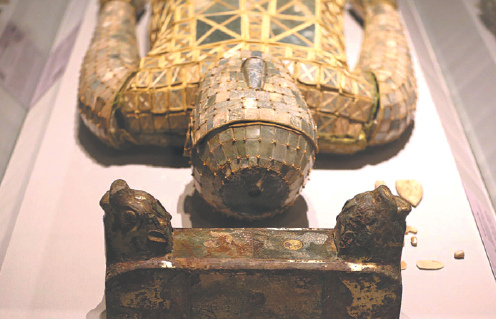
Emperor Jingdi
Introduction
Emperor Jingdi, born Liu Qi, was the fourth emperor of the Han Dynasty of China, reigning from 157 BC to 141 BC. He was a significant figure during a pivotal period in Chinese history. Known for his efforts to consolidate and strengthen the centralized imperial rule initiated by his predecessors, Jingdi's reign is noted for its economic reforms, reduction of taxes, and attempts to diminish the power of feudal lords. His era laid crucial foundations for the prosperity and stability enjoyed by the Han Dynasty in subsequent years.
Early Life
Liu Qi was born as a prince in the royal family of the Han Dynasty. He was the son of Emperor Wendi and Empress Dou, and his upbringing was influenced by Confucian teachings as well as the prevailing philosophies of the time, including Taoism. The influence of his mother, Empress Dou, who was a strong believer in Taoism, is believed to have shaped many of his values and policies throughout his life.
Ascension to the Throne
Emperor Jingdi ascended to the throne following the death of his father, Emperor Wendi, in 157 BC. His rise to power marked the continuation of the Han Dynasty’s consolidation of control over the various vassal states that had previously fragmented the Chinese landscape. Jingdi's reign is marked by a balance between maintaining the authority of the central government and managing relationships with powerful feudal lords.
Economic and Administrative Reforms
One of Jingdi's most notable contributions was his series of economic reforms. Aiming to alleviate the financial burden on common people, he reduced taxes and sought to decrease the state’s expenditure. His policies promoted agricultural development and reduced the power of the wealthy landowners, contributing to the overall prosperity of the state. Jingdi's administration also focused on reducing corruption and improving the efficiency of the bureaucracy, which helped to strengthen the central government.
Relationship with the Nobility and Military
During his reign, Emperor Jingdi worked to limit the influence of the nobility and the military, continuing the policies initiated by his father. This was done through measures such as reducing the number of troops and military expenditures, a decision that helped to consolidate the power of the central government and reduce the potential for rebellion by powerful lords. However, these actions were not without opposition, and Jingdi often faced challenges from the feudal elites who were resistant to relinquishing their traditional powers.
Cultural and Philosophical Influence
Emperor Jingdi's reign was also a period of significant cultural development. Influenced by Confucian and Taoist philosophies, his rule emphasized moral governance and the welfare of the people. His administration encouraged the arts and learning, which led to the flourishing of culture and education during his era. These advancements laid the groundwork for the cultural achievements that the Han dynasty would become renowned for in later years. Photo Gallery(3 pictures)CategoriesHistoryTagHistorical FiguresAncient Chinese HistoryCatalogue1. Introduction2. Early Life3. Ascension to the Throne4. Economic and Administrative Reforms5. Relationship with the Nobility and Military6. Cultural and Philosophical Influence- - - []








